Camp Creek Blog

New PBH Kids blog + Friday link round-up

Published by Lori Pickert on April 19, 2013 at 10:10 AM

We’ve started a new blog sharing self-directed projects by kids of all ages: PBH Kids. We’ll be keeping this G-rated so kids can enjoy reading it, too. Be sure to check it out! If you would like to share some project work, e-mail me through the contact form. Enjoy!

This week on Facebook, some links discussing work and money. As self-employed people, my husband and I have made self-sufficiency and financial independence an important part of our family culture. One thing we discuss is the importance of knowing when you have enough:

“What is wealth for? How much money do we need to lead a good life? This might seem an impossible question. But it is not a trivial one. Making money cannot be an end in itself — at least for anyone not suffering from acute mental disorder. To say that my purpose in life is to make more and more money is like saying that my aim in eating is to get fatter and fatter. And what is true of individuals is also true of societies. Making money cannot be the permanent business of humanity, for the simple reason that there is nothing to do with money except spend it. And we cannot just go on spending. There will come a point when we will be satiated or disgusted or both.” — In Praise of Leisure @ The Chronicle of Higher Education

I am reading a fantastic book called The Soul of Money, which I quoted on the PBH Facebook page:
 
“When you let go of trying to get more of what you don’t really need, it frees up oceans of energy to make a difference with what you have.” — Lynne Twist, The Soul of Money
 
This fits right in with the PBH philosophy: focus on what’s working, and whatever you pay attention to will grow. Or as Lynne says in the book, “What you appreciate appreciates.”
 
Somewhat related, what is the number one piece of advice older people want to pass along to the younger generation? Don’t work a job you hate:
 
“You know those nightmares where you are shouting a warning but no sound comes out? Well, that’s the intensity with which the experts wanted to tell younger people that spending years in a job you dislike is a recipe for regret and a tragic mistake. There was no issue about which the experts were more adamant and forceful. Over and over they prefaced their comments with, “If there’s one thing I want your readers to know it’s…” From the vantage point of looking back over long experience, wasting around two thousand hours of irretrievable lifetime each year is pure idiocy.” — What is the single most important life lesson older people feel younger people need to know?
 
I don’t believe it’s ever too late to change your life (I’m not giving up on you grown-ups), but certainly our children have the opportunity to lay out a life plan that aims toward meaning and purpose. You can gift them with freedom and choice by helping them learn to appreciate what they have (see above) and know when they have enough (see above). And how to keep their costs down:
 

“The only thing you should have to do is find work you love to do. … [W]hat I always tell kids when they get out of class and ask, ‘What should I do now?’ I always say, ‘Keep a low overhead. You’re not going to make a lot of money.’ And the next thing I say: ‘Don’t live with a person who doesn’t respect your work.’ That's the most important thing — that’s more important than the money thing. I think those two things are very valuable pieces of information.” — Grace Paley

 
Keeping a low overhead is always good advice, I think. And again that goes back to knowing when you have enough, so you aren’t caught on that besting-the-Joneses hamster wheel.
 
A nice post on honoring your work space that harkens back to creating a supportive environment for your work:
 
“When you respect your work, you want to create a beautiful, clean, sacred container for it. Regardless of the size, cost or fanciness of your physical space, treat it with reverence. Pay attention to what you bring into it. Take time to clean the floor and wash the windows. Surround yourself with images of beauty and inspiration. Give gratitude to the tools that you use to do your work, and to all the masters who have come before you.” — 10 Ways to Develop a Mastery Mindset @ Escape from Cubicle Nation
 
Another great quote from that post:
 

Set boundaries. You cannot create great work if you are in a constant state of reaction. You must protect your creative work time by blocking out your schedule, turning off your phone and closing down your email.  You must protect your creative energy by avoiding “life sucking squids,” as my friend Martha Beck calls people who only care about their own edification and not about your needs or soul. As Eleanor Roosevelt said, “No one can take advantage of you without your permission.” —  10 Ways to Develop a Mastery Mindset @ Escape from Cubicle Nation

Need more help with that? Check out How to give without being taken advantage of.
 
And our PBH-related posts for this week!
 
Michelle continues her great blog series about doing PBH with her daughters:
 
“[I]f you pay close attention and build the habit of writing down all of those little things they’re doing that don’t look like the typical definition of learning activities, you’ll start to see patterns or deeper skills and connections forming. You’ll see the face of authentic learning. Subjects they research begin to show up in their play, drawings, stories, and conversations. You’ll see them learning at a much deeper level than if they had just read a few pages in a textbook and answered some questions or wrote an awkward, forced essay. It’s real. It’s powerful. And it sticks.” — Project-Based Homeschooling Q&A: Documenting and Forward Motion @ Raising Cajuns
 
Beautiful. And Lindsay wrote a great post about doing PBH with preschoolers with her own list of essential things to remember:
 

Before implementing any ideas from project-based homeschooling (PBH), the “projects” we were doing were completely adult-directed, which Marlowe really likes. PBH helped me to see that projects that are child-chosen, child-directed, and child-managed are crucial as well. Marlowe often has ideas that we never get to (ie, I never get around to helping her make them happen) or that get started but fizzle right away once the next thing comes along. The book is overflowing with ideas for how to assist children in their projects in a thoughtful way, many of which I’ll modify for this early childhood time by taking a more subtle approach. — Project-Based Homeschooling: Simple Project Work with Preschoolers @ Song & Season

And Claire wrote about introducing her children to dedicated project time:


I know every day won't be like today, but oh if it could be...

We got our feet wet with this new concept of “project time” today. I had talked with the boys about the idea yesterday and their enthusiasm was so heartwarming. I did have to insist that we get our regular lessons done first, but they were happy enough with that (and even got all their work done before lunch!). After a short break, it was the much anticipated “project time” and they jumped into their work with gusto. — Our first day with “project time” @ Faith, Family and Life


Our thoughts are with Boston this week. Peace be with you all.

Be a part of the PBH community. Project-Based Homeschooling isn’t for only one kind of homeschooler — whether you’re a classicist or a radical unschooler or somewhere in-between, all kids deserve some time to direct and manage their own learning while pursuing their deepest interests. Read the posts on project-based homeschooling. Check out the book. Look over the 10 steps to getting started with PBH. Join the forum. Chat with me on twitter. Follow me on facebook. See my pinterest boards on learning, authentic art, play, and more. Come make friends, get some new ideas, and brainstorm about your challenges.

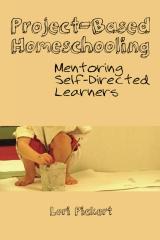
“You want to build a family culture that celebrates and supports meaningful work. This is much more than saying the right thing — this is creating a lifestyle, a set of articulated beliefs, and a  daily routine that encourage and sustain the life you want for your family.” — Project-Based Homeschooling: Mentoring Self-Directed Learners


“I’m especially grateful for the shared experiences, questions, and suggestions in this forum. Already I have been able to think more creatively about some of our dilemmas and I think the idea of a tribe of families working on this makes it so much more interesting to me.” — from the PBH forum


How to believe in yourself

Published by Lori Pickert on April 16, 2013 at 08:23 AM

This post is part of my series on PBH for Grown-ups — you can see all of the posts here.

Here’s a chicken-or-the-egg for you: Which comes first, belief in yourself or success?

Can you succeed at anything if you don’t believe in yourself? Can you believe in yourself if you’ve never achieved anything?

You can see how this works with PBH. If you start when children are very young helping them deeply and meaningfully explore their interests, helping them set and remember their goals, helping them work through difficulties and find the knowledge/skills/assistance they need, then they learn very early on that if they keep at it, they will get where they want to go. They learn it’s not magic, it’s a collection of skills and habits and knowledge, and they can collect those and learn to wield them. That understanding, carried on through childhood and the teen years and into adulthood, is the path to meaningful work — the path to a life of passion and purpose.

When you help an older child get on this path, it’s not so easy. They don’t automatically believe in themselves the way a three-year-old does. They don’t have simple faith that if they want it, they can work for it and get it. They may have a set idea of whether they’re smart or stupid. They may have a set idea of what learning is. They may have lost their faith in themselves or in the adults around them. They may have begun to equate anything that smacks of educational as painfully boring and pointless. Bonus: also possibly humiliating, if they feel stupid. They may have lost their faith in you. They aren’t sure that you mean what you say; they aren’t sure they can trust you to follow through. Worst of all, they may have lost faith in themselves. They no longer believe they are smart, powerful, talented, and capable. They may have lost the joy in learning. They might prefer to avoid any situation that seems challenging, because they hate confronting their own insufficiency. They might not want to put themselves in a situation that’s going to make them feel stupid, and since every learning situation begins with figuring out what you don’t know, they may have decided they hate learning.

The most important part of getting that kid back on the path toward self-directed learning is rebuilding the trust between you. He has to trust that you are going to let him learn about what matters to him. He has to learn that you really are going to let him stay in control — you’re not going to take over, you’re not going to ruin what he loves by turning it into a unit. He has to begin to see you as a trusted resource: someone who’s going to be there for him, giving him what he needs, taking him where he needs to go, and not letting him down.

Then you begin to help him begin to believe in himself. You help him identify his interests. You help him identify his goals, and you help him break them down into achievable steps. You help him have a series of small successes — and reflect on them. He begins to see the possibilities of working on something that he cares about. He builds on that foundation of trust that you provided: it’s about him and what he wants to do, and you are going to help him make his ideas happen.

If you want to begin baby-stepping yourself toward your own success, you need to become that trusted resource for yourself. You need to learn to trust in yourself, or you will never be able to do the hard things you need to do.

(Let’s be clear about what we mean by “success” — we mean working hard at something you care about. We don’t mean Scrooge McDuck swimming in his vault of gold. We don’t mean limos and ticker-tape parades and magazine covers. We are talking about a meaningful life and the chance to apply your talents and abilities to something meaningful to you. We are talking about feeling competent, capable, and useful in a life that matters, doing work that matters.)

Whether you have supportive friends and family or not, you are always going to be your own wingman. How can you learn to trust yourself? To believe in yourself?

Are you a trusted resource for yourself?

- Do you act in a way that is beneficial to your own long-term self-interest?

- When you set a goal, how likely is it that you’ll follow through?

- Does “now you” always betray “tomorrow you”? (apologies to Seinfeld and night-Jerry/morning-Jerry)

- Do you keep sliding your promises to yourself to the next day while you do things for others?

- Do you like yourself?

- How well do you rate your chances at success? Would you invest in yourself?

- When you mess up, do you let yourself off the hook? Do you pile on the self-loathing?

- On a scale of 1 to 100, how committed are you to your plan? Are you giving yourself an out?

- Do you think you’re trustworthy for others? Do you do what you say you’ll do? Do you follow through?

- How do you feel when you’re alone with yourself?

- When you think about changing your life, do you focus on your strengths or what you want to change?

- Do you think your goals are achievable?

- When you make a “to do” list, how often do those things actually get done?

- Do you talk about your plans more than you actually work on them?

Maybe you need to build up some trust in yourself — so you can believe in yourself enough to accumulate some small wins. Those small wins will form the foundation of your future success. Chicken, egg — the important thing is to get the gears turning. A little bit of trust, a little bit of success. They feed each other, and they help each other grow.

How to build trust in yourself:

- You can’t build trust without giving yourself the opportunity to succeed or fail. Get in the game. Stop planning, stop researching, and try to choose action every day.

- Build up a balance sheet of small wins. Break down big goals into achievable tasks. Start small: set ridiculously small goals and then meet them. Then slowly ratchet them up. It’s more important that you work every day (achievable) than work for three hours a day (difficult). Use the time you have.

- Cultivate self-respect. Stop the negative self-talk. Stop focusing on everything you’ve ever done wrong and focus instead on doing something right. Would you trust someone you didn’t respect? Start becoming a person you can believe in.

- Own up. Don’t waste time making excuses. When you mess up, just accept it, call it what it is, and forge ahead. Every time you make an excuse and lie to yourself, you’re throwing another shovel of dirt on top of your self-respect. You’re making it that much harder to move forward. Plus, no one trusts a liar — even if the liar is yourself.

- Believe things can change. Don’t beat your head against a wall. If you just can’t write an hour a day, try a half an hour. Try 15 minutes. If you just keep excusing yourself and don’t change anything, you’ll keep getting the same poor result. You have to change one of the parameters. Either make the goal smaller or try something else, but don’t just keep repeating behaviors that don’t work.

- Keep a journal or daily log. It doesn’t have to be full pages of handwritten text. You might use a calendar. But jot down what you’re achieving. Keep track of your small wins. Write down the minutes you worked or what you achieved. Start focusing on the positive and make as much of it as you can. Focus on your progress, not your failure. Whatever you award with your attention will grow: pay attention to what’s working.

- Ease off the pressure. What you want is a solid foundation to build on. If you press yourself to hurry, hurry, hurry, all you’re going to do is fall apart. Yes, it can feel terribly slow to start with so few minutes a day of real work when what you really want to do is rocket your way to success. But success isn’t a magic trick. You are building something significant and you want it to be solid and strong. Learning to trust yourself means making a series of very deliberate and reasonable steps. Slow and steady wins the race.

- Pay attention to small choices. If you always have big plans for the future but make choices today — this morning, this afternoon, this evening, this hour — that don’t align with your goals, then your plans will never come to fruition. If you make small choices right now that do align with those goals, then you will slowly but surely advance.

- Wait to commit until you make a declaration of intent. Every time you let yourself down, you solidify your opinion of yourself as untrustworthy. The less you believe in yourself, the less likely you are to work hard for yourself. Why should you give up a doughnut this morning when you know you’ll just eat one tomorrow morning and the morning after that? Why should you sit down and work for 15 minutes this afternoon when you know you’ll just skip it tomorrow and the next day and eventually whatever you did today will end up in a drawer with all your other false starts? Instead of bumbling along in fits and starts, take a pause and either really commit and do it or don’t — because if you keep letting yourself down, you’ll never learn to trust yourself.

Learning to believe in yourself is much more than a flowers and rainbows moment where you look in the mirror and chant affirmations. Lack of trust in yourself is like a boot on your car, keeping you from going anywhere. Doubt eats up time. Doubt keeps in you in the planning stage forever, endlessly weighing options. Doubt delays taking risks. Doubt is afraid to fail, so it puts everything off until tomorrow or next week or next month.

Becoming a trusted resource for yourself is just like becoming a trusted resource for your child. It’s about focus and attention. It’s about commitment. It’s about realizing that how you support yourself is vitally important.

Start earning your own trust. Start becoming someone you can believe in.

Glossary:

American-style boot on car

wingman


When you let go of trying to get more of what you don’t really need, it frees up oceans of energy to make a difference with what you have. — Lynne Twist

This week on Facebook, some great links about project-based learning…

“As far as project-based learning is concerned, it may well be that those who were forced to sit in neatly aligned desks all day every day during their school years will see this approach as “nonsense.” They were accustomed to having information force-fed to them only so that they could regurgitate it on tests. But anyone who understands child development — and brain-based learning — knows that pursuing one’s interests results in truer, deeper learning. That hands-on, inquiry-based approaches stimulate the mind and the soul and will serve our children, now and in the future, far better than the expectation that there is only one right answer to every question.” — What If Everybody Understood Child Development?

and

“We say that we want creative, passion-driven students, yet we reward the opposite. Standards-based education stifles engagement and passion in students. While drop-outs are considered to be lazy and unmotivated, many are simply not interested because they don’t understand the relevance of what they’re being taught. We’re rewarding students who are best at obedience, memorization, regurgitation, and compliance. And those who do succeed in school often don’t know what to do when they get out. We need to prepare kids to be successful in the real world, not just while in school.” — Nine Tenets of Passion-Based Learning @ Mind/Shift

Another quote from that article:

“Being around passionate people is the best way to become passionate. A passion-driven teacher is a model for her students. … [S]tudents work harder with people who matter to them.” — Nine Tenets of Passion-Based Learning @ Mind/Shift

This is why we need to be active, engaged learners pursuing meaning and purpose — so we can help our children do the same. (Check out the PBH for Grown-Ups series — now with 15 articles to help you live the life you want to help your children live.)

And now some lovely PBH-related posts…

“It literally took me years to trust in children’s genuine, deepest desire: to learn and discover. Once I got over the mentality that learning could only take place with a teacher hovering and a worksheet presented, I finally noticed the magical learning that had been taking place before my eyes in a more quiet and natural way.

And once I did let go of my fears of trusting my children in their own exploration of life, they flew.” — Letting Go… and Learning @ The Sleepy Time Gal

Michelle is continuing her great PBH series:

“I try not to let my mess or lack of space or natural lighting bother me too much. Ok, it still bothers me, but I don’t let it stop me. That’s the key. Look at your mess. Acknowledge your mess. (It has feelings, too, you know.) Tell your mess, “I hear you; I see you,” and MOVE ON. Clear a tiny space for five minutes today. Throw five things in a giveaway bag tomorrow. Baby step your way to a better environment, but don’t wait for the perfect creative space to get started!” — Project-Based Homeschooling Q&A: Supplies & Environment @ Raising Cajuns

And

“[F]ocusing a little attention on your environment is worth the small investment of time. It breeds creativity and inspiration.” — Project-Based Homeschooling Q&A: Supplies & Environment @ Raising Cajuns

This is the upward spiral — you don’t have to do it all at once. Just get started.

Carrie is sharing great project work by her young daughters:

“One of the things that popped out during my first read of Project-Based Homeschooling is Lori’s advice not to take field trips just for the sake of taking a field trip. … It’s simply not necessary. It’s more important to tailor our days to meet our kids where their interests are, and to give them long stretches to occupy themselves and develop their own interests, and to work on their projects. Time to wonder, imagine, dream, scheme, and make.” — Bugs & Bones @ Carrie Mac

Finally, a nice article on the topic of screen time, which I know is still a hot topic for many:

“[S]ometimes you’re watching because you meant to, with an intent to learn. … And that feels different. And you do all KINDS of different things on the computer, right? … This ‘what are you thinking/planning’ question has since become a staple of our family conversations around screentime. And Mr. D has started to make the case that sometimes, his screen time is not only not in the junk food category, it’s actually in the brain food category. … Once we started leaning towards thinking about screen time in these more specific terms, then we started talking about lots of things in terms of whether they represented a brain workout or not, and which kind of workout was more challenging.” — Junk Food, Brain Food, Soul Food @ Connected Learnings

Have a great weekend, and see you next week!

Be a part of the PBH community. Project-Based Homeschooling isn’t for only one kind of homeschooler — whether you’re a classicist or a radical unschooler or somewhere in-between, all kids deserve some time to direct and manage their own learning while pursuing their deepest interests. Read the posts on project-based homeschooling. Check out the book. Look over the 10 steps to getting started with PBH. Join the forum. Chat with me on twitter. Follow me on facebook. See my pinterest boards on learning, authentic art, play, and more. Come make friends, get some new ideas, and brainstorm about your challenges.

“To learn how to do, we need something real to focus on — not a task assigned by someone else, but something we want to create, something we want to understand. Not an empty exercise but a meaningful, self-chosen undertaking.” — Project-Based Homeschooling: Mentoring Self-Directed Learners

“My kid is just a regular kid, and neither he nor I do this PBH stuff perfectly. But I’m so impressed with how well it’s fallen together, and how much he’s been able to learn, and how it really does work like it says in the book.” — from the PBH forum

How to give without being taken advantage of

Published by Lori Pickert on April 9, 2013 at 09:02 AM

This post is part of my series on PBH for Grown-ups — you can see all of the posts here.

The point of PBH is to teach kids how to direct and manage their own learning — and by extension, their own lives.

It’s to learn from the outset that learning is for you to do things that matter to you. It’s to learn what you can do with your interests and talents and how you can make a contribution to the wider world.

To focus on what’s meaningful, we move from randomness to deliberate action.

Giving your child a lot of isolated, one-off experiences (say, with weekly themes or random field trips) is like giving her one plastic brick, one wooden block, one gear, etc. She has a handful of things to construct with, but what can she make? The pieces don’t fit together. Your child can’t combine them to make something meaningful. — Project-Based Homeschooling: Mentoring Self-Directed Learners

To be successful, we move from intention to habits, routines, and strategies.

As adults who want to replace randomness with deliberate action, we have talked about

- learning to use the time have,

- remaking our surroundings so they reflect what we want to be and do,

- exploring to find our deepest passion and our purpose,

and more. So today we’re going to talk about reclaiming some of the time that we give away to others, not because we don’t want to give, but because we want to give thoughtfully and purposefully.

Because a big part of PBH is sharing what you know and making a contribution, community is essential. That includes our friends and family, our colleagues and collaborators, our teachers and mentors, and our larger community where we do field work and look for ways to share our work.

What we want to do is make room for purposeful sharing and contributing by eliminating some of the random giving we do now. We want to reclaim some of our time that others may be using for things that don't matter as much to us and use it for things that do.

Our aim is to be kind and generous without being taken advantage of or taken for granted.

Do you have some time you need or want to reclaim? Do you

- have trouble saying no to people?

- always put other people first?

- put off activities with intangible or long-term benefits in favor of ones where the reward is immediate and obvious?

- need to be liked (by everyone)? (or feel very uncomfortable when people are unhappy with you?)

- feel selfish if you say no when you could say yes?

- rationalize that you have more time, more money, more freedom than other people — and like Spiderman, your greater gifts require greater responsibility?

Remember: we're not talking about not giving — we’re talking about giving in a purposeful, deliberate way. We’re talking about sharing your specific talents and abilities in a way that is meaningful and fulfilling to you.

Some people react to the idea of self-directed learning like this:

“What?! Kids doing stuff they want to do? That sounds like fun to me. Kids who are just having fun will never learn to work hard! They’ll just goof off all day!”

Actually, kids who connect learning with their authentic interests are more likely to work hard. This attitude that “it ain’t really learning if kids are having fun” transfers to the area of giving. Is it really giving if you’re not suffering? Yes. It is. Giving deliberately doesn’t mean everything you do is full of carnival fun. It means that everything you do is steeped in meaning. You can man the cake-walk table at the PTA carnival for the seventh year in a row and walk away feeling nothing. You can spend a day hauling garbage out of a river and feel like a superhero. Or vice-versa. Meaning makes the difference.

If you’re stuck in a pattern of saying yes to things you’d secretly like to say no to, it’s time to lay in some new strategies for more purposeful, meaningful giving.

Be purposeful. Build in a pause before saying yes. Prepare what you're going to say every time someone asks you for something:

“I have a lot of commitments right now. I would love to say yes but I need to look at my schedule and get back to you.”

There are people and situations you already know are going to be extra-challenging. There’s the person to whom you have never managed to say no (whether it’s a relative, a friend, or someone at church). There’s the situation where you always end up buckling under pressure.

If you know this is an issue for you, then you know you’ll be facing it again sooner or later. Be prepared. Script your responses. The French have a phrase, “l’esprit de l’escalier,” meaning “stairway wit” — that situation when you think of the perfect thing to say when it’s too late. “So, when you do the cake walk this year…” “Actually, I won’t be able to do it this year.” “What?! But you always do it! We just assumed you would do it again. Now it’s too late to get someone else.” L’esprit de l’escalier answer: “Well, since I’ve done it four years in a row, I just *assumed* someone else would do it this year.” Real-life response: awkward stammering. Scripted response: “I’m sorry, but I’ve already committed to something else.”

When you decide to help someone out, contribute time to a cause, or say yes to a commitment, take time to think it over first (even if you’re sure you’re going to say yes). Say to yourself, “I am deciding to do this. It is my choice.” If you really want to say no, then say no. It’s hard — but it’s not as hard as living a life where you’re constantly at the disposal of whoever needs you to do something no one else will agree to do.

Help when you really want to help even when it’s difficult. The odd thing is, even while we’re reluctantly saying yes to people we wish we could say no to, we sometimes are saying no to things we’d really like to do. Often, it’s because a strong personality is shoving their problem in our face while the giving we’d like to do is more long-term and no one is rallying behind it. If someone is pressuring you to help out with an event, it’s an easy thing to say yes (even if you don’t want to do it, even if you’ve done it the last ten times and there are plenty of people who could step up) because it will make this person happy and you know exactly what you need to do. Whereas there might be a need elsewhere that you really feel pulled to, but it’s more complex; there are more steps involved, and there’s a less clear-cut path toward success. You might not be quite sure what you need to do to make it happen. So you push that off (over and over again) and agree to man the cake-walk table at the PTA carnival again.

Don’t feel bad when you say no. If you are the go-to guy for solving everyone’s problems (because you always say yes), then you’re going to be very, very busy working on other people’s priorities. We’re not talking about converting from being an awesome giver to being the most selfish person in town. We’re talking about converting from being an awesome giver of random services to whoever asks first to deliberately and purposefully giving where you think it counts the most.

Don’t feel ashamed when you’re taken advantage of. Sometimes you get taken. Sometimes you say yes and then you realize you got taken advantage of. Someone asks you for a favor and seems desperate and even though it’s difficult, you say yes, then later you find out there was no emergency and you wrecked your day (or your week) just because they didn’t want to inconvenience themselves. This happens to most of us at some point, and it happens to most of us more than once.

Making the wrong call and being taken advantage of is upsetting — but the shame storm you experience afterward can linger for a long time. And it doesn’t help you avoid being taken advantage of the next time — in fact, feeling shame can lead to saying yes again because you desperately want to feel good about yourself.

When someone takes advantage of you, shake it off, put the blame where it belongs, learn from it, and tell yourself that next time you’ll use the pause. There are a lot of takers out there, and they are expert at getting what they want from the people around them. They are like pickpockets who’ve been practicing every day for years; they’ll have your wallet and be strolling away eating an ice-cream cone before you know what happened. Instead of blaming yourself and sinking into a morass of self-loathing, put your money in your shoe. Meaning: no more automatic yeses. Make them work hard enough for it and they’ll move on to an easier target.

Redraw the lines with people who’ve been taking you for granted. Whether it’s a family member, a friend, a neighbor, or someone you work or volunteer with, you CAN change the ground rules. Maybe you shoveled your elderly neighbor’s driveway because you wanted to be nice but now she expects you to do it every time it snows — and meanwhile you found out she has plenty of money and hires people to do her gardening … and her adult son lives with her and watches you shovel her snow. Maybe your friend asked you to take her kids on a teacher inservice day and now she just assumes you’ll always take them — and you’d really rather not. Maybe your siblings assume that since you’re home with the kids, you should be the one to shuttle your elderly parents to their doctors’ appointments — but they don’t step up in any other way, leaving you to shoulder most of the burden. There are a million little ways you can accidentally fall into a pattern where over time you realize you’ve committed to something that you really don’t want to do. The main reason it continues is because to break the pattern you have to have a difficult conversation. In general, we all hate those and would go to great lengths to avoid them. But remember: That time you’re giving away is time you could be using to do things that really matter to you.

Define yourself, your motives, and your values. Don’t let other people define these things for you. Don’t fall for the compliment (“You’re so awesome — I don’t know what we’d do without you”) that really means “We knew you’d do it — you always say yes even when you don’t want to.” That’s not really a compliment. Don’t fall for the insult (“We really thought you’d care more about the children/church/neighborhood/earth”) that really means “I’m annoyed that I have to go find someone else; I heard you were a soft touch.”

Know who you are. Know what you care about. Know what you want to do with your time, your money, and your energy. Be thoughtful about where you invest yourself. What other people think about your decisions is not something you need to spend time worrying about. Worry about whether you’re living your values.

It’s okay to keep something back for yourself. We ladies seem to have a special problem with stopping giving until our pockets are turned inside-out — and we’re the pocket. We give to our spouses, our children, our family, our friends, our church, our job, our community, and we don’t stop until we’re a shreddy little shred. It’s trendy right now to talk about “self-care” — taking care of ourselves, giving ourselves the oxygen first, etc. But we’re not talking about taking a yoga class or getting a mani-pedi. We’re talking about believing that our lives are supposed to have purpose and meaning.

In order to figure out who you are and what you have to give, you need to make room to learn about yourself, acquire knowledge, and build skills. In order to live a life of passion and purpose, you need to clear out the random things that fill your day, your week, and your year. You need to replace that randomness with deliberate, thoughtful action.

It can be a little addictive to say yes. You can form an identity around being the go-to guy, the one who always helps out. Saying no sometimes and making room to figure out what you really want to do — that’s the harder work. And that’s what we’re here to do.

First news first, if you have any interest in starting some sort of project or PBH-related group, please check out “How to Start a Project Group” and let me know if you have additional questions/feedback. After everyone has had a chance to give input, I’ll add any additional material and then make it available as a downloadable PDF.

And now, this week on Facebook…

I shared another post on how our kids may have to invent their own jobs:

“Today … because knowledge is available on every Internet-connected device, what you know matters far less than what you can do with what you know. The capacity to innovate — the ability to solve problems creatively or bring new possibilities to life — and skills like critical thinking, communication and collaboration are far more important than academic knowledge. As one executive told me, ‘We can teach new hires the content, and we will have to because it continues to change, but we can’t teach them how to think — to ask the right questions — and to take initiative.’” — Need a Job? Invent It @ The New York Times

We already quoted the same writer on the same subject back in 2011:

[The fastest growing companies in the world] are all looking for the same kind of people — people who not only have the critical thinking skills to do the value-adding jobs that technology can’t, but also people who can invent, adapt and reinvent their jobs every day, in a market that changes faster than ever. — Invent, adapt, and reinvent

More of this kind of discussion here:

“What’s needed most are a set of educational practices — whether in the context of the traditional liberal arts, a technical program, or something in between — that empower students to seek knowledge independently, to collaborate, follow their passions and to connect their knowledge with the real world.” — In a Time of Change

If so-called “soft skills” are what employers will really be looking for, maybe artists will be highly valued:

“Many people see artists as shamans, dreamers, outsiders, and rebels. In reality, the artist is a builder, an engineer, a research analyst, a human relations expert, a project manager, a communications specialist, and a salesman. The artist is all of those and more — combined with the imagination of an inventor and the courage of an explorer. Not a bad set of talents for any business challenged to innovate in a world of volatility, uncertainty, and change.” — Is an MFA the New MBA? @ Fast Company

Dawn pointed out this sounds like Dan Pink:

“The last few decades have belonged to a certain kind of person with a certain kind of mind — computer programmers who could crank code, lawyers who could craft contracts, MBAs who could crunch numbers. But the keys to the kingdom are changing hands. The future belongs to a very different kind of person with a very different kind of mind — creators and empathizers, pattern recognizers and meaning makers. These people — artists, inventors, designers, storytellers, caregivers, consolers, big picture thinkers — will now reap society’s richest rewards and share its greatest joys.” — Dan Pink, A Whole New Mind

I shared a couple of great posts this week on doing less so you can accomplish more of what matters:

“You can’t please everyone. When you’re too focused on living up to other people’s standards, you aren’t spending enough time raising your own. Some people may whisper, complain, and judge. But for the most part, it’s all in your head. People care less about your actions than you think. Why? They have their own problems! However, when you do get the stink eye, it’s because folks are jealous of the gutsy risks you take. They’re too scared to look in the mirror and take action. Thicken your gorgeous skin and move on.” — Do Less and Live More @ Positively Positive

And:

“[T]hinking, if done properly, requires uninterrupted focus… In other words, it takes time. And that time will only be available if you carve it out for yourself. Conversely, if you don’t take the time to think proactively you will increasingly find yourself reacting to your environment rather than influencing it.” — The Importance of Scheduling Nothing

This reminded me of one of my own posts:

Not only does your attention reveal so much of what is happening all around you, but it creates a dynamic that pulls your children in and feeds their desire to work. When you pay attention to their work, when you provide them with the space and materials they need, they respond by doing more of what you are paying attention to — your attention to what matters becomes a self-fulfilling prophecy.


Rather than praise or coercion, you are simply making space to focus on something. And your focus and attention are worth more to your child than all the praise and coercion in the world. So they are drawn to doing more of what earns your attention.


How do we begin? By clearing a space. — White Space as a Learning Tool

It’s about being deliberate and intentional — dedicating time to your priorities.

And this one:

Refilling the well, being inspired, making connections, reflecting … these aren’t things that are easily acknowledged and checked off a list. They need time — empty, unfilled, unscheduled time. White space.

Without the white space, there’s no balance.

Rather than thinking about quantity — of ideas, of experiences, of work produced — we need to think about quality. Spending more time doing less, so we can do better and appreciate more. A single experience, really and truly had and understood, is more valuable than weeks and weeks of rushed, unconnected, random experiences. — White Space

As Randall Degges writes in this post, you might find more time by sacrificing something that doesn’t matter as much:

“A great way to free up your time to work on something new is to give something up. Instead of optimizing every second of your day (which is do-able, but very difficult to maintain), I believe the better option is to make a sacrifice. … Instead of focusing on the killing aspect, I’ll try to focus on how this is a good move for me right now, and how life’s too short to focus on everything and accomplish nothing.” — Sacrifice

You might have to practice some good quitting.

Some great PBH-related stuff to share this week!

Michelle wrote a great post about getting started with PBH:

“I think project-based learning is a natural way of learning, so in some ways we’ve always done this. When my oldest was two and was obsessed with dinosaurs and we came home with stacks of dinosaur books each week that she picked out … that was PBL (project-based learning). When we wanted to adopt a new dog and researched his breed and bought a book on teaching dogs tricks … that was PBL, too. It’s all about finding an interest, feeding it, finding ways to dig deeper, and sharing what you learn. It’s the kind of learning that attracted us (and many of you, I’m sure) to homeschooling in the first place. It’s something we were already doing in small doses. We just shifted to doing more of it.” — Project-Based Homeschooling Q&A: Getting Started @ Raising Cajuns

I loved what Sheri wrote about the big differences you can see from making small changes:

“As I sit here tonight, I wonder about what in our environment changed so that the latch could be lifted and the floodgates of imagination could burst open. Not that our house is void of imagination — I do recognize its presence daily. What was different was my place amongst all the scheming. I was no longer a passive participant, barely noticing the words and ideas making up the constant chatter that surrounds me. I was actively listening.” — The day grand plans were made @ Rookie Homeschooling Mama

Carrie shared her three-year-old daughter’s inspiring work on her snail project:

“Esmé’s bug and snail knowledge is building, and her confidence as a young entymologist is blossoming too. She has a focus for her art, her photography, her writing, her research, her make-believe. It’s not all snails and bugs at our house, but it definitely is an ongoing interest that results in knowledge acquisition in just about every subject that I can think about; math, writing, biology, history, art, literature, caretaking, sharing, cooperation, physics, empathy, and more.

Interest-led learning, brought to life.” — Snails, season II @ Carrie Mac

And that’s what PBH is — a child’s intense interest provides a focus point for her learning so that everything comes together to make a layered, complex understanding. This is authentic, organic multidisciplinary learning!

Heather’s kids do so many awesome projects — I love this post about how her daughter’s sharing her work turned into an even bigger opportunity to contribute to her community:

Her source book suggested finding a place to “carry” her zine for distribution so on our next trip to the library, she asked the librarian if they would put her zine out for patrons to take. Our little library has had many staff changes in the last year, so we don’t know these ladies as well and we weren’t sure how the request would be received. Providentially, she asked the right person. She’d asked the new children’s librarian who was delighted to carry The Artist’s Palette at the circulation desk. … Additionally, the children’s librarian asked her on the spot if she would agree to teach kids how to make Zines at the summer library program’s craft hour. R is so excited about this! — Behind the Scenes, the World of Zines @ Blog, She Wrote

So much good stuff to share this week. Hope everyone has a great weekend!

Be a part of the PBH community. Project-Based Homeschooling isn’t for only one kind of homeschooler — whether you’re a classicist or a radical unschooler or somewhere in-between, all kids deserve some time to direct and manage their own learning while pursuing their deepest interests. Read the posts on project-based homeschooling. Check out the book. Look over the 10 steps to getting started with PBH. Join the forum. Chat with me on twitter. Follow me on facebook. See my pinterest boards on learning, authentic art, play, and more. Come make friends, get some new ideas, and brainstorm about your challenges.

“Children, even when very young, have the capacity for inventive thought and decisive action. They have worthwhile ideas. They make perceptive connections. They’re individuals from the start: a unique bundle of interests, talents, and preferences. They have something to contribute. They want to be a part of things.


It’s up to us to give them the opportunity to express their creativity, explore widely, and connect with their own meaningful work.” — Project-Based Homeschooling: Mentoring Self-Directed Learners

“My children are thriving now where before I could see some struggling and frustration. It’s been fun for me too! We learn and grow together now and there’s nothing boring about our days.” — newest review of Project-Based Homeschooling: Mentoring Self-Directed Learners


Friday link round-up

Published by Lori Pickert on March 29, 2013 at 12:55 PM

Hello and happy Friday! This week’s Facebook link round-up commences … now.

You probably already know my take on screen time (you can read about it here and here). I really enjoyed this writer’s thoughtful exploration of the topic:

“On the one hand, parents want their children to swim expertly in the digital stream that they will have to navigate all their lives; on the other hand, they fear that too much digital media, too early, will sink them. Parents end up treating tablets like precision surgical instruments, gadgets that might perform miracles for their child’s IQ and help him win some nifty robotics competition — but only if they are used just so. Otherwise, their child could end up one of those sad, pale creatures who can’t make eye contact and has an avatar for a girlfriend.” — The Touch-Screen Generation @ The Atlantic

Fantastic article about how to change the story and make positive errors:

“Scientists call it the ‘sweet spot’ — that highly productive zone on the edge of our abilities where learning happens fastest. The problem, of course, is that the sweet spot doesn’t feel sweet. In fact, it feels sour and uncomfortable, because being there you have to take risks and make mistakes. And most of us hate making mistakes.

Basically, we’re allergic.

But what’s kick-assingly powerful is when somebody finds a simple way to reverse that allergy.

…

[C]oaches and parents are storytellers. Their job is to create an emotional safe zone where players can go to the edges of their abilities and then beyond.” — How to Overcome Fear of Mistakes: One Coach’s Story @ The Talent Code

“Changing the story” reminded me of Donald Miller’s book, which I quoted quite a while back on Facebook (before I started doing these round-ups):

If you watched a movie about a guy who wanted a Volvo and worked for years to get it, you wouldn’t cry at the end when he drove off the lot, testing the windshield wipers. You wouldn’t tell your friends you saw a beautiful movie or go home and put a record on to think about the story you’d seen. The truth is, you wouldn't remember that movie a week later, except you’d feel robbed and want your money back. Nobody cries at the end of a movie about a guy who wants a Volvo.

But we spend years actually living those stories, and expect our lives to be meaningful. The truth is, if what we choose to do with our lives won't make a story meaningful, it won’t make a life meaningful either. — A Million Miles in a Thousand Years: How I Learned to Live a Better Story

I usually take a pass on articles talking about how public education isn’t making the grade (they usually have titles that incorporate puns), but I couldn’t resist this description of Education 3.0 — because it sounds just like PBH:
“Schools are doing Education 1.0; talking about doing Education 2.0; when they should be planning and implementing Education 3.0. ... [Education 3.0] is self-directed, interest-based learning where problem-solving, innovation and creativity drive education.” — Jackie Gerstein
Kudos to people who are working hard to bring the opportunities to public school students that homeschool students already have! (Although not all homeschoolers take advantage of those opportunities…)
 
Along those same lines…
“We teach kids to do all sorts of things, but we don’t teach them to think about things in the inventive way — and why don’t we? It’s something you should be alert for from earliest childhood. You should be conscious that when you do devise something, when you fill a gap, you have invented. I’d love to see kids thinking in that way, and growing up to be adults that think in that way… that solve their own problems, and acquire stuff for themselves that they want, whether or not it can be bought off the shelf.” — Saving the Inventive Way of Life @ InventiveMax
In that same vein, I shared this quote:
“Thinking means concentrating on one thing long enough to develop an idea about it. Not learning other people’s ideas, or memorizing a body of information, however much those may sometimes be useful. Developing your own ideas. In short, thinking for yourself.” — William Deresiewicz
We could save a lot of time — and increase our learning ROI exponentially — if we just paused before selecting an activity for our kids and opted instead to make choices that allow them to develop their own ideas.
 
I loved this article on how positivity and generosity relate to succeeding in life — and if you’ve read Heather’s post about me then you know where I fall on this subject as well:
“The greatest untapped source of motivation … is a sense of service to others; focusing on the contribution of our work to other peoples’ lives has the potential to make us more productive than thinking about helping ourselves.” — Is Giving the Secret to Getting Ahead? @ The New York Times
I have much to say on this subject but I think I’ll write a post about it.
 
Shelli wrote a post about doing PBH this week and identified the key principles as she sees them:
“[A]ll these elements work together to create this lifestyle of learning. Project-based homeschooling is like putting together a puzzle. It doesn’t matter which piece you start with, but as you lay them all on the table, you’ll start to see how they fit together to make the whole picture.” — What Is Project-Based Homeschooling? @ Mama of Letters
And now I want to share with you a testimonial from the PBH forum — I hope you find it inspiring!

I started this PBH journey a few months ago with my 4 year old, and in my project notes and my questions on this forum, I can find records of me struggling with all the PBH things it seemed like he wasn’t doing. He didn’t focus on anything real, and then he didn’t identify questions or do research, and then he didn’t make things, and then he didn’t improve his work or problem solve, and then he didn’t share his knowledge, etc...

But now, after a few months, I don’t have anything to worry or complain about any more. My kid is just a regular kid, and neither he nor I do this PBH stuff perfectly. But I’m so impressed with how well it’s fallen together, and how much he’s been able to learn, and how it really does work like it says in the book. :)

We have some adult friends staying with us for a couple days, and seeing him share his knowledge of prehistoric creatures with them has really impressed me. He’ll walk over to the wall to show off his artwork (much more detailed than a few months ago), and talk about it … And when they have more questions, instead of just always making up an answer, he’ll go to one of his books, find the right page and research something … using the pictures and his memory. And he’s constantly pushing the edges of his knowledge and figuring out what can be looked up on Wikipedia or Google Images. …

I think my family is now thoroughly hooked on this approach.

Yes! Learning to mentor your children to become self-directed learners doesn’t happen overnight, but it is well worth the effort.
 
Thank you to everyone who has e-mailed, left an Amazon review of the book, or shared their small win in the forum — your feedback is immensely appreciated! Now go have a great weekend.

Getting support from family and friends

Published by Lori Pickert on March 25, 2013 at 08:32 AM

This post is part of my series on PBH for Grown-ups — you can see all of the posts here.

Okay, this is going to be an open thread because while I have things to say on this subject, I have little in the way of actual advice. (Or, to be more accurate, I have plenty of unproven advice, since I can pontificate on any subject at will.) So let’s provide some talking points and then open it up for discussion.

In generally, personally, I like to err on the side of self-sufficiency. When asked the question

How can I get my friends and family to support me as I grow and change?

I think, “Learn to live without it.” That’s not a hugging moment, I know. Pragmatism is one of my superpowers.

When I started my first company, I was 22. My friends were not super excited about my goals. Neither was my family. I heard a lot of variations on this: “Ugh, you work too hard! You should quit doing that and get a regular job so you can go out and have fun! You’re only 22! Lighten up!” And also this: “This isn’t why you went to college to get that valuable English Lit degree! Get a job and save some money! You can start a business in a few years, maybe, if things work out…”

That wasn’t very supportive. But, then again, why should they support me? How was my working 60 hours a week for very little money benefiting them?

When you decide to do something new, you are starting down a path of growth and change. In general, the people around you like you just the way you are. That’s why they’re friends with you. And if they’re related to you, then they’re very comfortable with you the way you are — you have a defined personality and a defined role in the family. Why would they want you to change and shake everything up? If you change, they might be forced to change, too. Your change is liable to shift the whole dynamic of the group. They can sense it in the air, like Disney animals before a forest fire.

If you change — if you seek something more out of life — there is a subtext of you being dissatisfied with the life you have now. No spouse wants to hear you say you are dissatisfied, ever. And your friends are thinking, “What’s wrong with how you are now? You’re just like me! So if you think you need to change, what you’re really saying is that *I* need to change. So, what? You think you’re better than me now?”

(Now, maybe you have a really supportive spouse and family and friends, in which case, see you next week. You are very lucky. No one wants to hear about that. Unless you magicked them that way, then please stay and detail your methods.)

For a lot of us, our desire to do something different — our growth and change — will be met not with flag-waving and excited jumping up and down but with resistance and maybe a little suspicion.

Your spouse may be a bit discombobulated by you wanting something different. You may have the sort of friends who say “well, good for you” while passively-aggressively torpedoing your efforts. (“I know you’re on a diet, but I baked us a cake” or “I know you want to write that book but I need you to come out with me tonight because I’m depressed about work”).

How to Get Support from Your Friends and Family: Unproven Advice

If you can sit down with your spouse and articulate your goals for your children — and if those goals include supporting them to explore their interests and develop their talents — then it shouldn’t be a big leap to applying the same support to each other. But you may have a spouse who is happy with things the way they are and nervous about you rewriting the script — because you changing changes everything: the family dynamic, the relationship, how you see yourself, how you see your spouse, how your spouse sees you. Acknowledge this to yourself: You changing might freak out the people you love. They may need time and help to adjust.

Be aware that you are doing something that has no clear value for them, therefore they may not enthusiastically get behind it, flag-wave, and etc. Not that everyone you know is a selfish bastard, but it’s pretty much built into our DNA to chase rewards and avoid punishment — and a big win for you offers no discernable reward for them and probably a little punishment.

Think about it:

- They like you the way you are now — or at least they’re used to you the way you are now.

- If you change, they might be forced to change, even a little, and that sounds not fun.

- If you grow, they might not feel good about themselves — you might look better or make more money or get a lot of attention.

- You may have awoken long-dormant feelings of competitiveness — they suddenly feel the need to knock you down a peg or two.

- They suffer from “there’s only so much pie” syndrome — if you get more, it means less for them.

- They suspect they’re going to have to give something up for you to get what you want.

- Your wanting something different for yourself makes them feel judged and criticized.

People think mostly about themselves. When you say “I want to go back to school,” they hear “I’m going to be smarter and better educated than you — and maybe make more money, too! MAYBE YOU CAN WORK FOR ME.”

You are stretching and challenging yourself. Obviously what you’re doing is going to stretch and challenge the people around you — whether they like it or not. You are facing fears and taking risks — those people are being dragged along for the ride and they are vicariously having to face fears and take risks, whether they’re comfortable with it or not. You are choosing this for yourself — they didn’t choose it.

Maybe it would help to show the other person the clear advantages that await. To your spouse: “I’ll be working on this a few evenings a week so I won’t complain about how much X-Box Live you’re playing.” To your friends: “I’ll totally let you ride in my limo.”

Maybe it’s best to share your goals incrementally. Rather than saying, “I plan to be a bestselling author and live in a mansion made of gold,” you could say, “Writing makes me feel happier and less likely to stab someone with a fork, so I’m going to try to do it a little more often.”

Try not to run yourself down — because sure as shootin’ someone is going to hear that and apply it to themselves. (Remember the rule: People think mostly about themselves.) If you say, “I hate being fat and out of shape,” they hear “She thinks I’m fat and out of shape — and she hates me!” If you say, “I hate just lying around on the couch watching stupid reality TV,” they think “But I love reality TV — she thinks I’m stupid and my life is stupid.”

Instead of expecting everyone to enthusiastically sign up for whatever it is you want to do, accept that you’ll probably make some new friends specific to that interest. You’ll find a writing friend or two or three. You’ll find someone to walk with. You’ll meet people who care about this thing that you care about. So you don’t have to try to force your friends and family to care about it.

“Surround yourself with people who have ambitious plans, meaningful purposes, and big goals. Even if their goals are different from yours — and they probably will be — you’ll feed off their energy, and they’ll feed off yours. — Jeff Haden

When we get excited about making positive changes in our lives, sometimes we start sharing all our great feelings with the people around us — and instead of being inspired, they feel criticized. So maybe don’t drag your soapbox around for handy sermons on whatever it is you’re excited about. They’re your friends, not your audience. They’re your loved ones, not your followers.

When you do need support, be very clear and specific. Do you really need your spouse to believe 100% in your historical romance novel? Or would it be enough if s/he took the kids to the park for two hours every Sunday so you can write? Instead of getting angry and upset that he or she isn’t “supporting you,” ask for something that would make you feel supported.

Instead of resenting your loved ones for not cheerleading you, find a few new friends who actually want to talk about photography or writing or starting a new business for hours on end. Look for people who share your enthusiasm and build a community where you can support each other. That doesn’t mean dumping your old friends — actually, finding new friends to whom you can safely vent your passion may allow your old friendships to stay healthy.

Remember that you are modeling for your children not only how to grow, change, learn, make, and do, but how to build a support system for yourself. That support system includes your environment, your habits, your routines, and your relationships.

If your child has a bunch of friends from soccer and he’s interested in filmmaking, would you want him to squelch that interest because his friends aren’t into it? Or would you encourage him to keep his old friends but make some new friends around that new interest? You are showing your child how to connect with people who have similar interests and make supportive friendships — but also how to maintain good relationships even when you don’t have every single thing in common.

Build yourself a support system. Learn to support yourself. Ask your spouse for very specific (and reasonable) things that will help you make progress. Allow your friends and family time to adjust to the new you. Don’t expect them to care about what you care about, and don’t be negative about your old life and your old interests. Let them see you happy, but don’t preach to them about your new passion — wait until they ask, then share.

So what do you think? Are your spouse, family, and friends supportive of your goals? Do you have suggestions or ideas to share for getting them on board? Please share your thoughts!

Friday link round-up

Published by Lori Pickert on March 22, 2013 at 09:06 AM

Welcome to the Friday link round-up! Boom! Some good stuff to share this week…

First, a book quote I shared on Facebook:

“The secret is creating the conditions for inner work life — the conditions that foster positive emotions, strong internal motivation, and favorable perceptions of colleagues and the work itself. Great inner work life is about the work, not the accoutrements. It starts with giving people something meaningful to accomplish… It requires … clear goals, autonomy, help, and resources — what people need to make real progress in their daily work. And it depends on showing respect for ideas and the people who create them.” — The Progress Principle: Using Small Wins to Ignite Joy, Engagement, and Creativity

This is a busines book but hey, look — same ideas work in motivating your kids. Give them something meaningful to accomplish! (Their own self-chosen interests and goals.) Give them autonomy, help, and resources! (What you need to make real progress.) Show respect for their ideas! That’s it in a nutshell.

And some more links about helping our kids succeed:

If we believe that someone’s talent is fixed — including our own — we are effectively writing off any options for growth. But if we believe that talent, or intelligence, or any other ability, evolves as a result of how much effort we put in, the opportunities are endless. — Talent Isn’t Fixed and Other Mindsets That Lead to Greatness

That’s our old friend Dweck they’re referencing. 

What else? How about change the story and encourage positive errors:

Scientists call it the “sweet spot” — that highly productive zone on the edge of our abilities where learning happens fastest. The problem, of course, is that the sweet spot doesn’t feel sweet. In fact, it feels sour and uncomfortable, because being there you have to take risks and make mistakes. And most of us hate making mistakes.

Basically, we’re allergic.

But what’s kick-assingly powerful is when somebody finds a simple way to reverse that allergy.

...

[C]oaches and parents are storytellers. Their job is to create an emotional safe zone where players can go to the edges of their abilities and then beyond. — How to Overcome Fear of Mistakes: One Coach’s Story @ The Talent Code

Heather wrote a great post this week about learning how to take more risks:

“[T]here’s a trap in looking for some elusive expertise that few people can achieve. It makes getting started too hard. It undermines the achievements we make. It makes us reluctant to start something new, because the bar for competence is set so high. … Over and over, I’m seeing that the real way you gain fluency is not through competence or perfection, but through sold-out bravery. You get better at something not by magically getting it all right ahead of time, but by *being willing to try*.” — What is Fluent? @ A Little Yes

This article reminded me of my own post about learning to take *real* baby steps — you’ve got to just go for it! And to do that, you need to cultivate a safe space for making big attempts and taking risks, which is what that previous quote is all about. This week’s links are sending a great message: figure out the story you want to tell, make a safe space for making big attempts, and then go for it!

Some great PBH-related sharing this week —

Angela wrote about the positive changes she saw in her children when she moved into more self-directed work:

“Back in October, I realized my carefully laid out plans for our oh-so-many-subjects weren't really working out. My kids were completing their work, but I could tell they weren’t really learning. I’d get questions like, “Is this good enough?” This question is code for, “Does this please you enough to let me quit now and get on with my life because I really couldn't care about this any less?” I remember some name coming up in conversation one day and excitedly saying, “Oh, Cati, you can tell us all about this because you read about this person last week!” She looked back at me completely clueless. If my goal for the kids during school time had simply been obedience to my plans and diligence, then I would have achieved my goal. Don’t get me wrong! Obedience and diligence are important virtues, but could we attain those virtues while working on others. We could come to enjoy learning, we learn to self-direct.” — Project Peek Day @ Creating Something Beautiful

Michelle wrote about how to use that time between projects to gear up for the next big thing:

“One of the main things we’ve learned is that interests develop with time and freedom to explore. Kids need big chunks of time to play, create, read, and question. They need the freedom to discover their interests. We have to make room in our days for exploration in order to pave the way for more meaningful projects.” — Paving the Way for Projects @ Raising Cajuns

A really interesting read in the Atlantic about screen time, kids who are digital natives, and app designers with very restrictive screen times for their own kids:

“On the one hand, parents want their children to swim expertly in the digital stream that they will have to navigate all their lives; on the other hand, they fear that too much digital media, too early, will sink them. Parents end up treating tablets like precision surgical instruments, gadgets that might perform miracles for their child’s IQ and help him win some nifty robotics competition — but only if they are used just so. Otherwise, their child could end up one of those sad, pale creatures who can’t make eye contact and has an avatar for a girlfriend.” — The Touch-Screen Generation @ The Atlantic

At the end of the article, the writer decides to experiment with her own toddler’s screen time. Bit of a long article, but I enjoyed the read.

On Twitter, I’ve been talking to some parents who are starting (or who have already started) businesses so they can work at home. This article about a mom’s struggle to run a business and still be a good parent seemed especially timely:

“Why is it that moms can't set the bullying aside and focus instead on what is right in front of them: the exquisite opportunity to know and be known, to inspire and be inspired? We’re all in the same impossible predicament that society put us in — why can’t we acknowledge it and go from there? We’re all in the same pickle. We were educated from childhood to become contributing members of society and to aspire to fulfilling careers, then we have our own children and society’s expectations of us change utterly. Our collective confusion and anxiety is understandable. But why can’t we recognize that this is a consequence of living in this time, and not allow the insecurity we are almost forced to feel manifest itself in a distracting and destructive cutting down of others?” — The Helping Foundation

I realized how closely my daughter was watching me and that I was wrong to beat myself up. Even when I thought I wasn’t directly affecting her, I was. She was watching — and what she saw wasn’t hurting her. She was proud of what I had made. That gave me so much inspiration… I was ready to make more.

So, I kept building. — The Helping Foundation

Once again, we’re touching on women feeling less-than — obviously, this is something a lot of us are struggling with. I have seen some great support and cheerleading among the women in my circle — I hope we can make more of that!

Finally, PBH news!

I’m working on setting up a kid-project section of the blog, but here’s just one of the great projects Heather’s kids have been working on:

An important aspect of Project-Based Homeschooling is to make sure kids don’t have to constantly ask for permission. At our house, we definitely strive to make things available to our kids and we’ve always done that in an age appropriate way. This is really key. If kids have to ask for everything, chances are they will stop asking … especially if you aren’t timely enough about getting them the help they need.

…

He began this journey all on his own and all we had to do was say yes. — Introducing BrikSmith Customs @ Blog She Wrote

Don’t miss the newest post in Amy’s process art series, Art Together:

It’s just fun to lay down some color and “see what happens.” When you go into it with the idea that you’re experimenting, there are no mistakes, just unexpected outcomes. When my 8yo layered white on top of a color he thought was dry but the white looked muddy, we talked about it. Was the white paint itself muddied in the tray? Let’s wipe it off and try again. He experimented with having black as the first color — would anything at all show up on it? This is knowledge he’ll take with him the next time he paints. This is how we get to know a material so that we don’t try to make it do something it just can’t do. — {Art Together} Experimenting with Watercolors @ Kids in the Studio

Check out our new quick-start guide for getting started with PBH:

“PBH is centered around helping your child direct and manage his own learning. It’s about independence, responsibility, and exploring talents and deep interests.

Every choice you make matters.” — 10 Steps to Getting Started with Project-Based Homeschooling

And we also made an FAQ for the site — it’s a work in progress, but we’ll keep adding to it. Let us know if you have any suggestions!

What’s your background?

What is Reggio?

Does PBH work with teens? — Project-Based Homeschooling: Frequently Asked Questions

I was interviewed by Jacquie this week at the Sweeter Side of Mommyhood:

“Thoreau wrote that cutting wood warms you twice — once when you split it and again when you burn it. This is probably the deepest lesson I’ve learned, first through my own work and then again watching my children: building your own education means you learn exponentially more. You have to find what you need, you have to determine whether you’ve answered your own questions, you have to set and meet your own goals. You end up with the knowledge and skills you were seeking, but you also end up with remarkable learning muscles and powerful habits of mind. Then you can go forward and learn anything you need to learn.” — Project-Based Homeschooling: Interview with Lori Pickert @ The Sweeter Side of Mommyhood

The PBH for Grown-Ups post this week was on building community (geared especially toward introverts):

“No matter what you want to accomplish, community is key. Whether it’s online or offline, whether it’s focused on you or your kids, community is where you see how you fit and how you can contribute. It can be as simple as having two other families to hike with once a week or as complex as an online forum with thousands of members — but it comes down to finding other people who want to do what you want to do. It’s about making friends, but it’s also about finding colleagues and building a network. It’s about building a community of people who can help each other accomplish something larger than what one person can do alone.” — The Introvert’s Guide to Building Community

Thanks for supporting PBH — hope your weekend is wonderful!

Be a part of the PBH community. Project-Based Homeschooling isn’t for only one kind of homeschooler — whether you’re a classicist or a radical unschooler or somewhere in-between, all kids deserve some time to direct and manage their own learning while pursuing their deepest interests. Check out our 10-step guide to getting started with project-based homeschooling. Check out the book. Join the forum. Chat with me on twitter. Follow me on facebook. See my pinterest boards on learning, authentic art, play, and more. Come make friends, get some new ideas, and brainstorm about your challenges.

“To be a mentor goes beyond showing a child how to use the library or bind a book, bake a muffin or build a birdhouse. It means setting an example of what it means to be an alert, curious, interested human being. It means setting an example of doing, making, creating, and sharing. … Being a good mentor means showing your child that learning doesn’t stop when someone hands you a diploma.” — Project-Based Homeschooling: Mentoring Self-Directed Learners

“My children are thriving now where before I could see some struggling and frustration. It’s been fun for me too! We learn and grow together now and there’s nothing boring about our days.” — newest review of Project-Based Homeschooling: Mentoring Self-Directed Learners


The Introvert’s Guide to Building Community

Published by Lori Pickert on March 18, 2013 at 09:06 AM

This post is part of my Monday series on PBH for Grown-ups — you can see all of the posts here.

Note: This is not about excluding extroverts. Extroverts are like honey badgers — they don’t care. They are welcome as members of the introvert’s community, and they’re welcome to use this guide to build their own.

Personally, I am an ambivert, meaning I have both introvert and extrovert traits. On the one hand, I prefer staying at home and I crave a lot of alone time. I’m a happy hermit. On the other hand, I love public speaking, teaching workshops, and talking to strangers. If I’m somehow tricked into going to a party, I always have a great time. (Regardless, I won’t want to go next time, either.) I love to build community. I love to help people connect, work together, and support one another.

So whether you’re introverted, extroverted, or a lovely blend, these tips should work for you — but it seems to be the hermits who need the most help, so that’s who we’re focusing on today.

1. Build it yourself — and be in charge.

I know what you’re thinking — “I don’t even want to GO, let alone be in charge. I don’t want to FIND it, let alone build it.” But if you’re the person at the party who is driven crazy by the loudness of the music, wouldn’t you prefer to have your hand on the volume control?

Being in charge is the comfort position. You control everything. You set the parameters, you set the goals, you set the tone. You control the information — you’re the one with the phone numbers and e-mail addresses. If you are picky about how things go down, then you want to be in charge so you can make the group and activities fit your needs and your comfort requirements.

There are a lot of challenges when you try to break into an existing community:

- You don’t know the unspoken rules.

- You don’t understand the social hierarchy.

- There are existing friendships and cliques.

- The agenda has already been set and things are traditionally done a particular way.

The main challenge is that someone else is making all the decisions and you will have to adapt. If you build it, you can customize the experience to what you need and want. Whatever effort you would save by choosing an existing group, you would have to expend bending and adjusting to something that doesn’t fit you and makes you miserable. If a group exists that suits you perfectly, great. But if it doesn’t, you’ll exhaust yourself compromising. You may as well spend your energy building something that would make your life exponentially better.

Invest your energy where you’ll get the biggest return. Building a community that gives you what you need and want is worth the effort.

2. Always start small.

In software, it’s the beta. In marketing, it’s the test group. At every single stage, every time you contemplate trying something new, always, always do a test version. Never commit until you’re sure you’re happy with your results.

You may think “community” and imagine the people on Friends hanging out at Central Perk. But community can start with just you and one other person. After all, how did the friends on Friends get together? Monica and Rachel were friends in high school. Ross and Chandler were college roommates. Chandler and Joey shared an apartment. (Are you scared I know all this?) Community is built of small nodes of friends as well as individuals. You will be the nucleus of your community. If you have just one other person who is committed and on the same page, you have what you need to start. And note: this person does not have to be a close friend. In fact, you and this person don’t have to have anything else in common — just this.

Whatever you want to start — art class, sketch walk, hiking group, book club — first set up one or more stand-alone activities. Arrange them at different times so you get different participants. (Advertise in your local Yahoo homeschooling group, at your co-op, at the library.) See how it goes. Meet the people and remember to collect their contact information. If you like them, tell them one-on-one that you’re thinking of doing something similar on a regular basis. Reflect on how things went and what you might want to change in the future. This is a good way to find other people who can form the nucleus of the community you want to build.

If you’re going to make mistakes, make them in the beta version. Move into your new group having already identified possible issues. (For example, one thing I’ve learned is that if you offer a free group for kids and don’t require parents to stay, you’ll be treated as a free babysitter.)

Testing also gives you the opportunity to try out different venues, different ways to organize the time, and so on.

Start with a very limited version of what you envision, test it, learn from it, then launch the bigger version.

3. Respect your own needs.

It’s not selfish to fit your community to your own needs. Understand this: every time someone creates a community, they are building for a purpose. There is no way to make something that is “fair” or “perfect” for everyone. It is perfectly legitimate for you to create something that works well for YOU. And there are plenty of other people who would prefer something different from what is usually offered — they will find you. You are creating parameters that appeal to YOU but they’ll also appeal to someone else. And if some people don’t like it, they can build their own community just as you did.

Don’t make the mistake of thinking you have to please everyone. It’s a recipe for pleasing no one (including yourself). A great community has a strong leader who isn’t afraid to say “this is the way we do things — sorry, that’s just not for us.”

Remember that when you make a safe space for yourself, you are making it for others who want and need the same things. You don’t have to make it for everybody.

4. Commit.

Community succeeds or fails on the basis of commitment. You have to commit. Then you have to find one other person who is also committed.

There must be a nucleus of committed people. There can be a larger, looser group who dip in and out, but there must be a solid core who always show up and who really care.

These days, people have many, many things vying for their time and attention. There are a million ways to fill your free time. With any one person, there are only a few things they really, truly care about. The other stuff? It tends to slide off the bottom of the to-do list. You cannot build a community unless you have at least a few people who are going to put this front and center. And you absolutely have to be one of those people.

Charging money is one way to push people to commit. If they have paid for it, they are a lot more likely to show up. But remember that accepting their money means you are absolutely committed. Keep it defined — a particular number of meetings/get-togethers/classes. Then, if things go well, you can do it again.

When parents decide which activities to drop, they will always drop the free ones first. They feel like they should stick with the things they paid for, to get their money’s worth. Adults are much the same. It’s not about which activity is more fun or more satisfying; it’s about how much you invested. So remember this when you begin to build — if people don’t feel they’ve invested anything, they’re more likely to pull out down the road.

You don’t have to charge money — but if you don’t, you will definitely need a core group of committed individuals for whom your community is essential.

5. Be prepared to say no.

Other people will be surprisingly bold about asking you to change every aspect of what you have arranged: the time, the location, the age group accepted, the conditions of participating (small fee, parent participation). Like shoppers at a garage sale, they will consider everything up for discussion. If this surprises you and takes you off guard, you’re more likely to (perhaps accidentally) give in to their demands.

If you don’t think about it ahead of time and prepare your answer, your stumbling and stuttering may be taken as a yes by a human steamroller. The best thing to say in any situation where you find yourself at a loss is,

“Let me think about that and get back to you tomorrow.”

This works in a whole variety of situations, by the way. It’s what I taught my staff to say to parents who were upset or had complaints. When someone else is either emotional (making a complaint or upset themselves) or ambushing you (surprising or stunning you with their question or demand), this simple sentence gives you time to collect your thoughts, time to get your own emotional response under control, and time to gird your loins and prepare your reasoning if you have to say something difficult (like “no”).

The next day, contact the person in the way that feels best for you: phone, e-mail, or in person. If you’re saying no, try this:

“I wanted to give your question/suggestion serious thought, but I’m sorry, we are going to stick to our original plan/schedule/location. This is what works best for us. I will let you know if things change in the future.”

You cannot be all things to all people. If you find a core group that is happy with what you’ve created, that is all you need. People who are unhappy are free to start their own group. If you start trying to cater to everyone’s needs, you’ll soon find that your group has lost focus. The more defined it is, the better it will be — so you may as well define it by your own needs and wants and then find others who are happy with it, too.

6. If necessary, pull the plug, take a break, then try again.

Sometimes you realize it’s just not working out for one reason or another: wrong people, wrong routine, wrong focus. Or maybe your needs have evolved. That’s okay. Make an announcement that you’re going to have to withdraw from organizing the group due to personal reasons, offer to pass the responsibility for running it to one of the other members if they contact you within a set amount of time (say, two weeks), then wish everyone a happy day and close it.

If you want to reboot your community, don’t offer to let someone else take over — let it die completely. That way you can rebuild using some of the same people. Contact them one-on-one and let them know you’re hoping to reboot sometime in the near future with a few changes. This would be a good time to ask for their input, too.

Take a break, reflect on what went well and not so well, brainstorm, and you can try again now that you have a better idea of what you want to do (and maybe who you want to do it with).

• • •

Figure out what matters to you. That’s your meaningful work. Find out who else it matters to. That’s your community.

No matter what you want to accomplish, community is key. Whether it’s online or offline, whether it’s focused on you or your kids, community is where you see how you fit and how you can contribute. It can be as simple as having two other families to hike with once a week or as complex as an online forum with thousands of members — but it comes down to finding other people who want to do what you want to do. It’s about making friends, but it’s also about finding colleagues and building a network. It’s about building a community of people who can help each other accomplish something larger than what one person can do alone.

Take your time. Start small. Figure out what works best for you. You have the freedom to craft something customized to your wants and needs — take advantage of it. Look for one other person who shares your interests and goals. Create the opportunity to find that person.

You can build the community you dream of. Someone has to take the first step. Believe it or not, it can be you.

Friday link round-up

Published by Lori Pickert on March 15, 2013 at 09:08 AM

So, Google Reader bit the dust this week. Just a reminder that you can subscribe to this blog by e-mail if you like — or several people have been recommending Feedly.

Quote for the day:

“[Creative children] ask more questions than most children. They’re usually spontaneous and enthusiastic. Their ideas are unique and occasionally strike other kids as weird. They’re independent. Not that they don’t care at all what other kids think, but they’re able to do their thing despite the fact that their peers may think it’s strange. And they have lots and lots of ideas.” — Silvia Rimm

And this week’s Facebook links!

Worried about how much your teens use the internet? It offers kids the chance to direct a lot of their own learning, including for personal projects:

“When my daughter graduates from college, I want her to be able to ask interesting questions, make wise choices in where to direct her time and attention, and find a career that is about contributing to a purpose that’s more than her own self-advancement. I am proud of her for managing a rigorous course of study both in school and out of school, but I’m also delighted that she finds the time to cultivate interests in a self-directed way that is about contributing to her community of peers. The Internet and her friends have offered my daughter a lifeline to explore new interests that are not just about the resume and getting ahead of everyone else. In today’s high-pressure climate for teens, the Internet is feeling more and more like one of the few havens they can find for the lessons that matter most.” — What Teens Get About the Internet that Parents Don’t @ The Atlantic

Another quote from the above article:

A college degree is a requirement for most good jobs, but no longer a guarantee of one.

Consequently, kids feel pressure to not only do well on tests and in school, but in their out-of-school activities as well. … The pressure to succeed along narrow paths is exacting a staggering cost on the values and well being of our children. — What Teens Get About the Internet that Parents Don’t @ The Atlantic

Along those lines, this jumped out at me this week:

“Universities must change, [Thomas Friedman] says, from a ‘time served’ model to a ‘stuff learned’ model. He reasons that ‘increasingly the world does not care what you know. Everything is on Google. The world only cares, and will only pay for, what you can do with what you know’.” — Who’s Afraid of the big, bad MOOC? @ Learning with ‘e’s

(If you want a funny take on this, try the Onion’s.)

Obviously, people who succeed have to rise above what everyone knows and what everyone knows how to do — they have to go further, do more. Along those lines, I’ll reshare a quote that I blogged earlier this week:

“Every once in a while — often when we least expect it — we encounter someone more courageous, someone who choose to strive for that which (to us) seemed unrealistically unattainable, even elusive. And we marvel. We swoon. We gape. Often, we are in awe. I think we look at these people as lucky, when in fact, luck has nothing to do with it. It is really about the strength of their imagination; it is about how they constructed the possibilities for their life. In short, unlike me, they didn’t determine what was impossible before it was even possible.” — Imagine more, not less @ Camp Creek Blog

Click over to read the whole quote.

And a couple more blog posts re: those intangible skills that we need to rise above the other B.A.s…

“The brain chunks activities into habits to save mental energy.

When a routine becomes a habit, the brain performs these routines automatically and without thinking.

Healthy habits influence healthy lives and unhealthy habits determine unhealthy lives.

Habits can be changed.” — Change a Habit @ New Discoveries

The takeaway here is that habits can be changed — you are not doomed to stay on an unproductive road! Believe it, then do it.

And another important skill — networking, making friends, building community. This is something I am asked about frequently. How do you do it? This excellent short article gives you the answer — definitely read the whole thing:

“Give. All the time. And never ask for anything return unless you really have to. … This isn’t a ‘favor for a favor’ thing. It’s being a good person. When you truly help people every chance you get, that reputation will get around and people will be more inclined to help you down the line.” — How to Network Without Shaking Hands @ What Spinks Thinks

While you’re out there attempting to build that network, keep in mind we’re all trying to put our best face forward — and we’re all human:

“I’m not the only one who wonders why other mothers seem to have such ordered lives, when mine is a whirlwind. I’m not the only one who thinks that the neighbours can hear me when I shout, and what must they think of me, because of course they never shouted at their children. I’m not the only one who wishes my house could be a little tidier, a little cleaner, like the other mothers I know.

I’m not the only one making comparisons and coming out at the bottom.” — Keeping up appearances @ The Home of Lisa Hassan Scott

Finally, some some great kid PBH goodness:

“He knew exactly where he wanted each box and bottle to go, where to put doors and windows, and even added water to a bottle for a fuel tank.

It was SO HARD to watch him struggle with the tape, or to see him doing something one way when I knew another way would work better. I kept my mouth shut as much as I could, and when I broke down and offered suggestions he almost always said he wanted to figure it out.” — The Rocket Ship @ Lemon Tree Studio

Really inspirational, both the kid work and the parent/mentor work!

We are setting up an area of the blog to share kid projects like this — real, authentic, inspiring. Not a recipe for how to do things, but a glimpse of what is possible. There are quite a few other new site additions in the works, so stay tuned — and join our e-mailing list if you haven’t already. (So far I’ve averaged about one e-mail every six months, so it’s not a spam factory.)

Hope your weekend is wonderful!

Be a part of the PBH community. Project-Based Homeschooling isn’t for only one kind of homeschooler — whether you’re a classicist or a radical unschooler or somewhere in-between, all kids deserve some time to direct and manage their own learning while pursuing their deepest interests. Read the posts on project-based homeschooling. Check out the book. Join the forum. Chat with me on twitter. Follow me on facebook. See my pinterest boards on learning, authentic art, play, and more. Come make friends, get some new ideas, and brainstorm about your challenges.

“You need to get comfortable with your flawed humanity. Making excuses so you don’t have to start so you can forestall pain and humiliation just keeps you out of the game. And once you’re in it, if you think success means pretending everything is easy for you and nothing hurts, you’re wrong. What binds us is our common experience. The only way to build intimacy is through vulnerability. When you lift your chin in the air, you can’t look anyone in the eyes.” — Renovating your brain: Building new habits of mind

“My children are thriving now where before I could see some struggling and frustration. It’s been fun for me too! We learn and grow together now and there’s nothing boring about our days.” — newest review of Project-Based Homeschooling: Mentoring Self-Directed Learners


Pages